Fort Lauderdale Beach
The iconic A1A corridor. Revitalized promenade, state parks, marinas, and direct beach living with genuine year-round ocean access.
The iconic A1A corridor. Revitalized promenade, state parks, marinas, and direct beach living with genuine year-round ocean access.
Fort Lauderdale Beach has undergone one of the most dramatic transformations in South Florida real estate. The beachfront promenade and its signature wave wall, designed by EDSA and built in the late 1980s and 1990s, repositioned the corridor from its spring-break era into a resort-caliber oceanfront destination, and the city has kept building on it: the $49 million Las Olas Oceanside Park and garage opened in 2020, and a $2.5 million redesign of Fort Lauderdale Beach Park was approved in 2026.
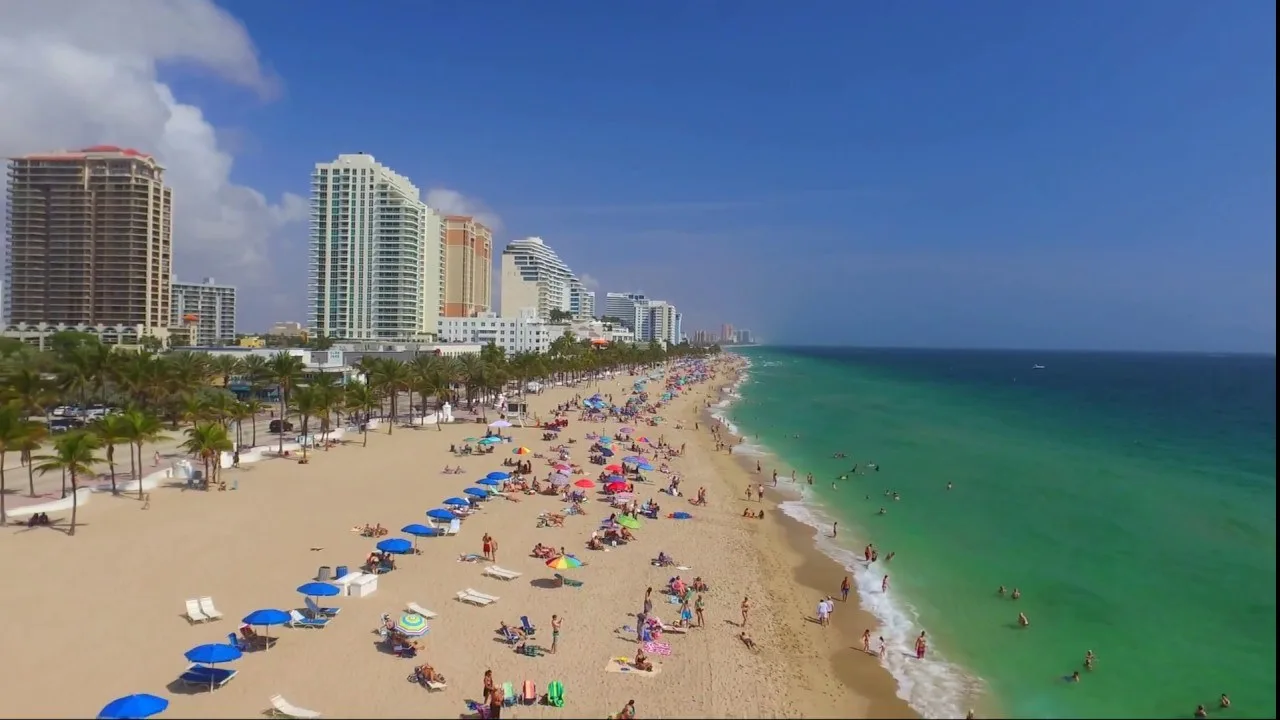
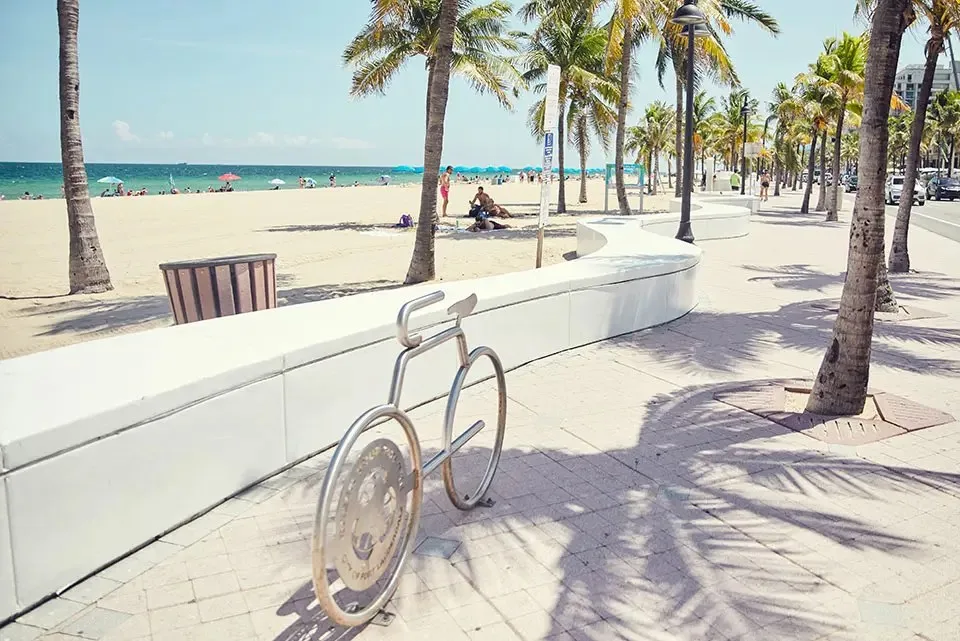
The paved promenade runs roughly two miles along the Atlantic, bordered by the iconic white wave wall with its fiber-optic lighting and signature ramped beach portals. The pedestrian experience is a pleasure: wide paths, bike lanes along A1A, planted medians, and public space design that invites lingering rather than rushing. This is oceanfront urbanism done right—authentic, accessible, and built around the beach itself rather than the parking lots that once lined it.
What makes A1A special is the density achieved without feeling crowded. The promenade accommodates residential towers, hospitality, restaurants, and parks in a single cohesive experience. Compared with the intensity of Miami Beach's South Beach, or the quieter, more residential barrier islands to the north, A1A maintains genuine walkability with breathing room.
Owning oceanfront at FTL Beach means having 180 acres of protected state park as your backyard—a privilege increasingly rare in South Florida. The park functions as both ecological buffer and quality-of-life amenity. Kayak, canoe, and paddleboard rentals, a 1.9-mile paved loop, nature trails through the hammock, and pavilions along the Intracoastal create genuine outdoor lifestyle infrastructure.
The park also serves as a natural buffer. Its coastal hammock, freshwater lagoon, and mangrove shoreline along the Intracoastal preserve a stretch of the barrier island in its original state. Properties nearby benefit from that protected open space: a state park, unlike a private parcel, is not a future development site, and its canopy, lagoon, and beach access remain public for good.
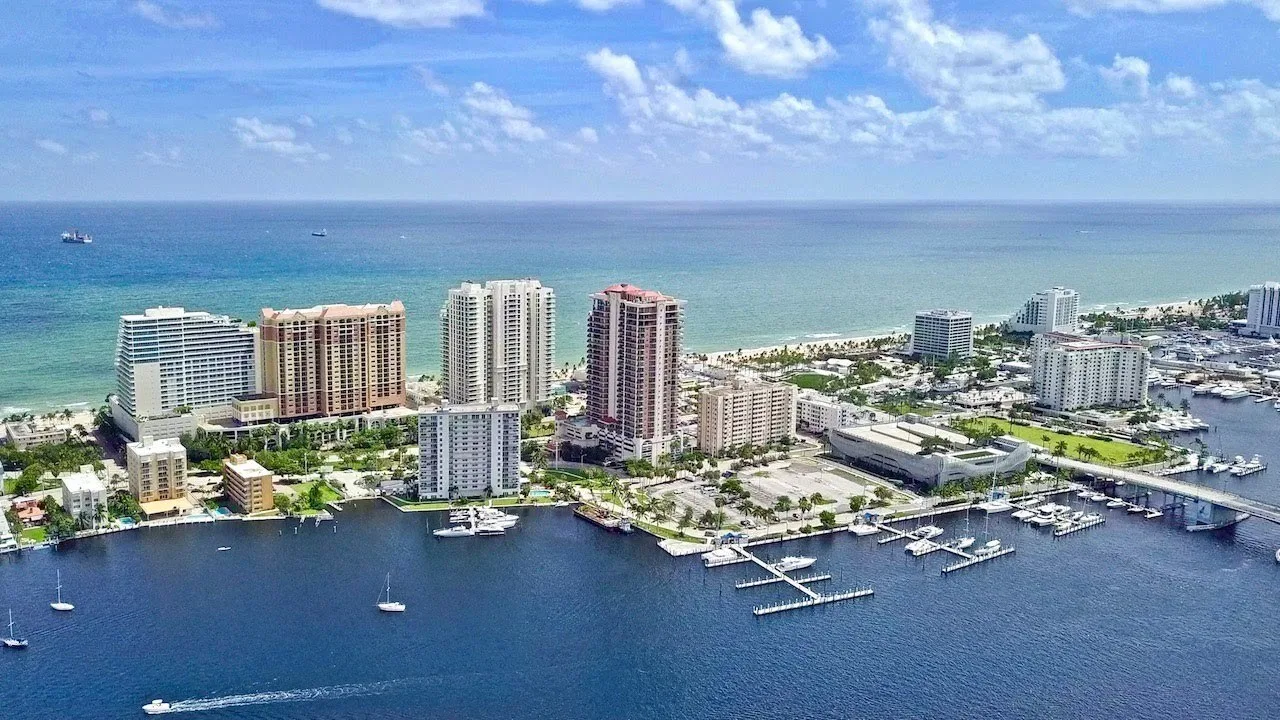
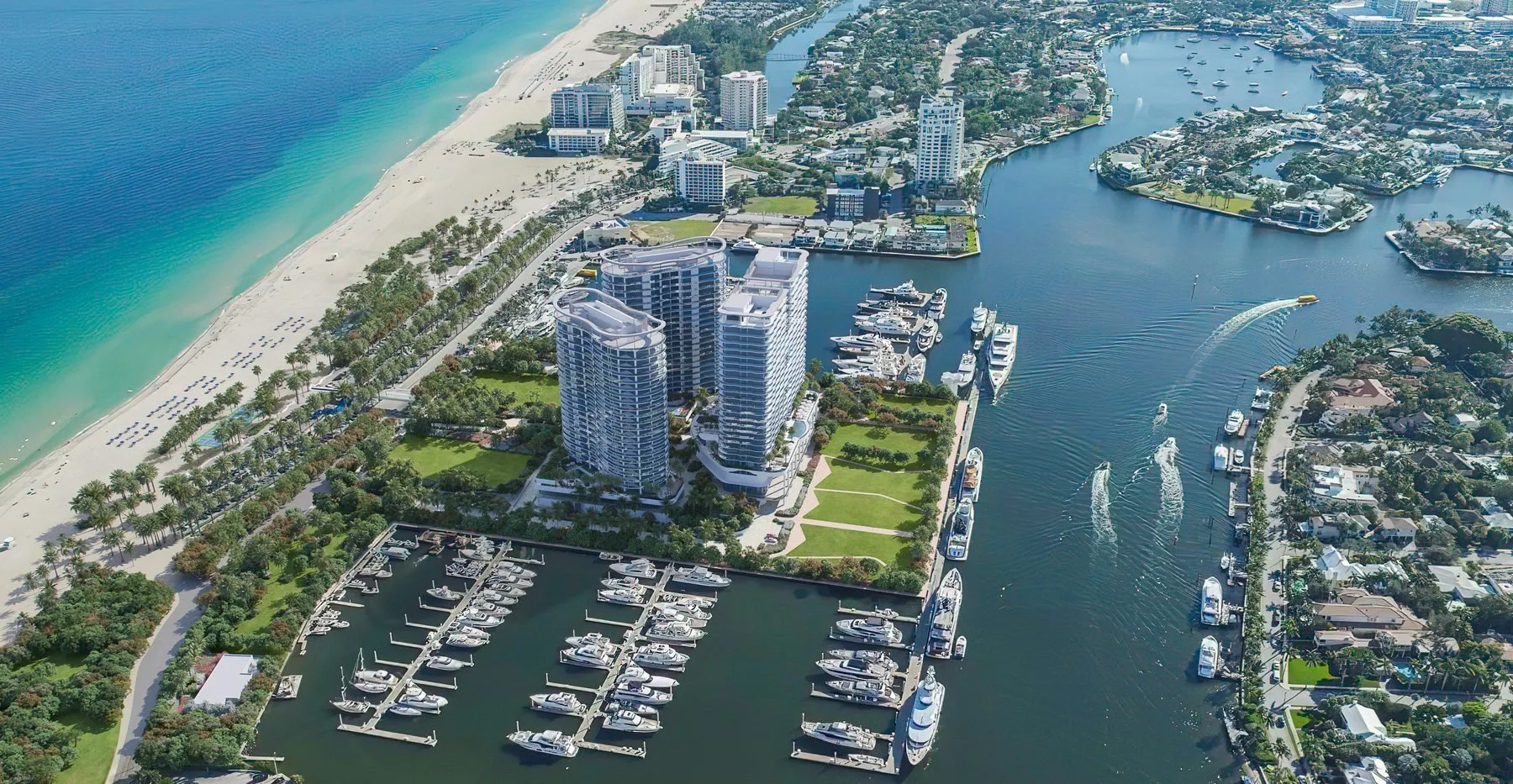
FTL Beach is home to two of the best-known megayacht marinas on the East Coast. Pier Sixty-Six, originally built in 1957 by Phillips Petroleum and reborn after a ground-up redevelopment, now operates as both luxury resort marina and residential community. The 164-slip facility, which accommodates yachts up to 400 feet, sits on the Intracoastal minutes from the Port Everglades inlet with no bridge restrictions to the Atlantic—critical for superyacht owners.
Bahia Mar is one of the most significant hospitality developments planned on Florida's coast. The $2 billion transformation by Related Group and Tate Capital builds on a yacht basin that dates to 1949 while adding 186 St. Regis-branded residences, a 197-key St. Regis hotel, dining and retail, a 250-slip megayacht marina, and a public promenade. It remains the home of the Fort Lauderdale International Boat Show. Sales are underway with residences priced from $3M, and the first phase is expected to break ground in late 2026 or early 2027.
For marina-centric buyers, FTL Beach offers genuine infrastructure: fuel docks, provisioning, mechanical services, and a protected basin beside a deep-water port. The Port Everglades inner channel is maintained at 42 feet, with a federally authorized deepening project planned to take it to 48 feet and beyond.
New construction in FTL Beach spans an unusually wide price band for a single oceanfront neighborhood. Entry pricing starts under $1M at 3000 Waterside, Selene begins at $3.1M, Pier Sixty-Six and St. Regis Bahia Mar start at $3M, and Bahia Mar's top residences reach $25M. That range means a buyer can choose between a boutique Intracoastal building, a twin-tower oceanfront community, and a full resort-branded residence without leaving the neighborhood—a breadth of product few single beach districts in South Florida can offer.
This isn't a discount market—it's a value market. Miami Beach carries global brand recognition and decades of cachet, and its pricing reflects that. FTL Beach offers a different proposition: newer public infrastructure, a quieter beachfront, direct marina access, and a compact walkable district. Major developers have taken notice—Related Group and Tate Capital at Bahia Mar, Tavistock at Pier Sixty-Six, Kolter Urban at Selene, and MICL with Admire Capital at The Ritz-Carlton Residences all have branded projects delivered, under way, or in sales here.
New oceanfront construction in FTL Beach is built to a very different standard than the mid-century stock it stands beside. Today's towers are designed under the current Florida Building Code's high-velocity hurricane zone provisions, with impact-rated glazing, reinforced concrete structures, elevated habitable floors above the flood datum, and building envelopes engineered for wind and surge. Coastal permitting requires flood-zone compliance and elevation documentation, so buyers can review exactly how a new building is designed to weather a storm.
Newer towers such as Pier Sixty-Six Residences and Selene were also designed and permitted under these current standards, which matters as older buildings face milestone inspections and reserve requirements. Insurance pricing varies by building, and we can walk you through how a specific tower's construction, elevation, and reserves factor into ownership costs.
Fort Lauderdale Beach is built around daily ocean access. The promenade is in use from sunrise runs to evening strolls, and the water itself is the main amenity—swimming, paddleboarding, kayaking the Birch lagoon, surf on the days a swell arrives, and boating from the marinas a few blocks away. It is walkable oceanfront without South Beach's nightlife intensity, and Port Everglades, the airport, and downtown are each a short drive over the bridges.
The neighborhood also works as a seasonal or part-time base. Full-service branded residences handle the building when an owner is away, and the mix of beach, marina, dining, and hotel amenities means the neighborhood stays lively year-round rather than emptying out between seasons.
Where Miami Beach is known for clubs and fashion and Palm Beach for privacy, FTL Beach is defined by the active, experience-focused life outside the front door: the promenade, oceanfront restaurants, marina recreation, and a genuine walking culture.
Central Beach is one of Fort Lauderdale's largest beach communities. Miles of beaches and boardwalk span the eastern border, easily recognized by the curving white barrier wall that separates sand from sidewalk. From Hugh Taylor Birch State Park south to Burnham Point, this neighborhood has transformed from a popular tourist destination into one of South Florida's most sought-after residential addresses.
Central Beach — The Iconic Promenade & Boardwalk
Boundaries: East to West — Intracoastal to Atlantic Ocean. North to South — Hugh Taylor Birch State Park to Burnham Point.
Nearby: Downtown Fort Lauderdale (10 min), Miami Beach (40 min), Palm Beach (50 min), FLL Airport (15 min)
Character: Restaurants and bars overlooking beaches, condominium complexes with community pools, an active nightlife, and the Fort Lauderdale International Boat Show — the largest in-water boat show in the world.
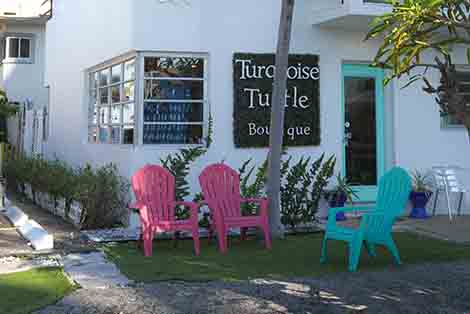
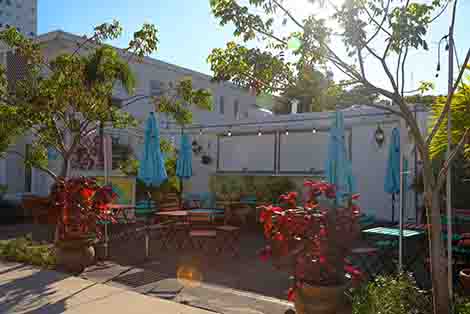
During a stroll along Central Beach, joggers, cyclists, and rollerbladers share the promenade with families heading to Beach Place — a three-story waterfront shopping complex with ocean-view restaurants. Further north, the Bonnet House Museum offers a 35-acre historic estate blending art, history, and nature. The International Swimming Hall of Fame anchors the southern end, completing a cultural corridor that gives this stretch a character all its own among South Florida beach communities.
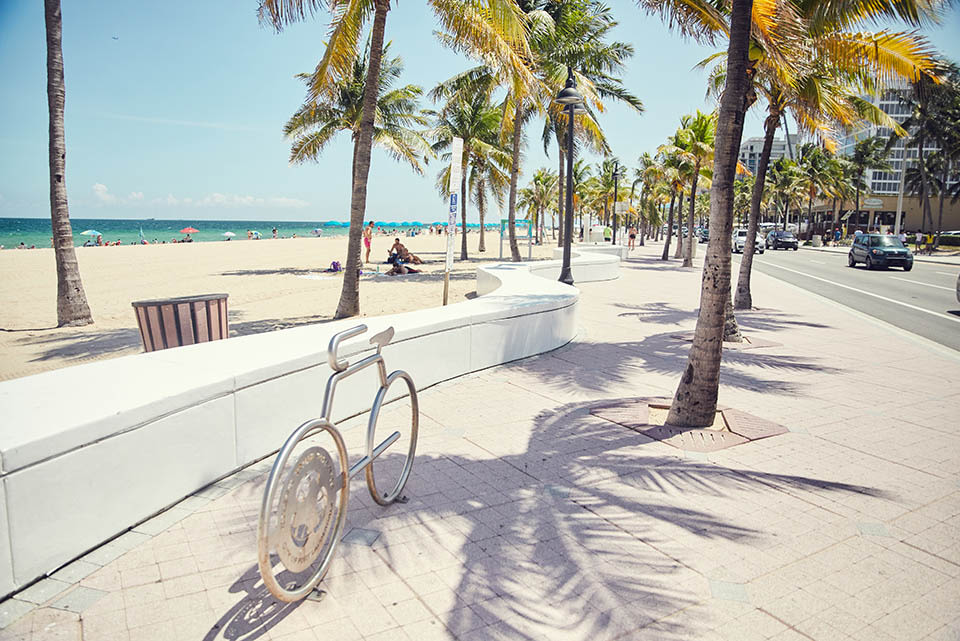
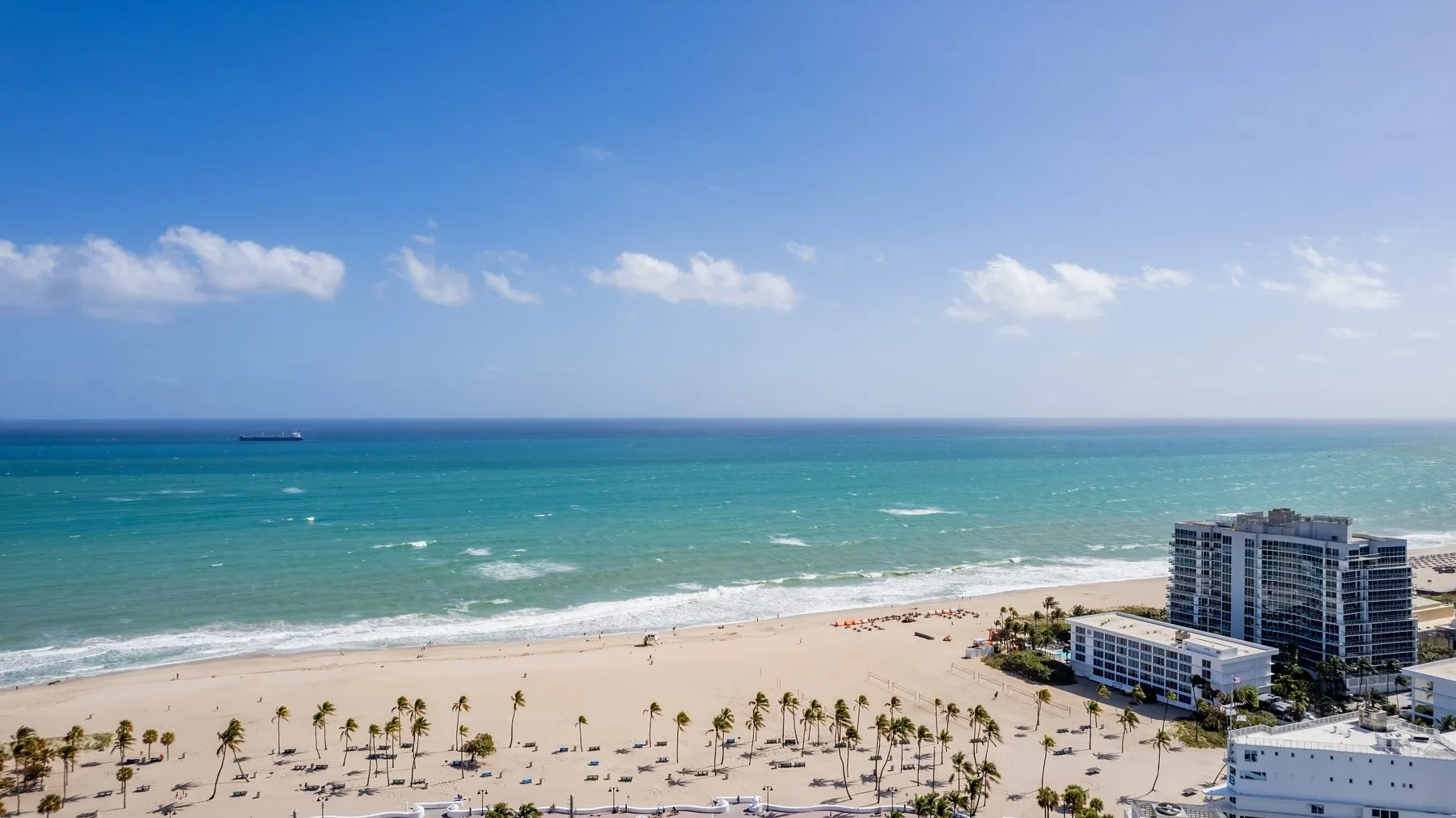
The Active Lifestyle — From Sunrise to Sunset
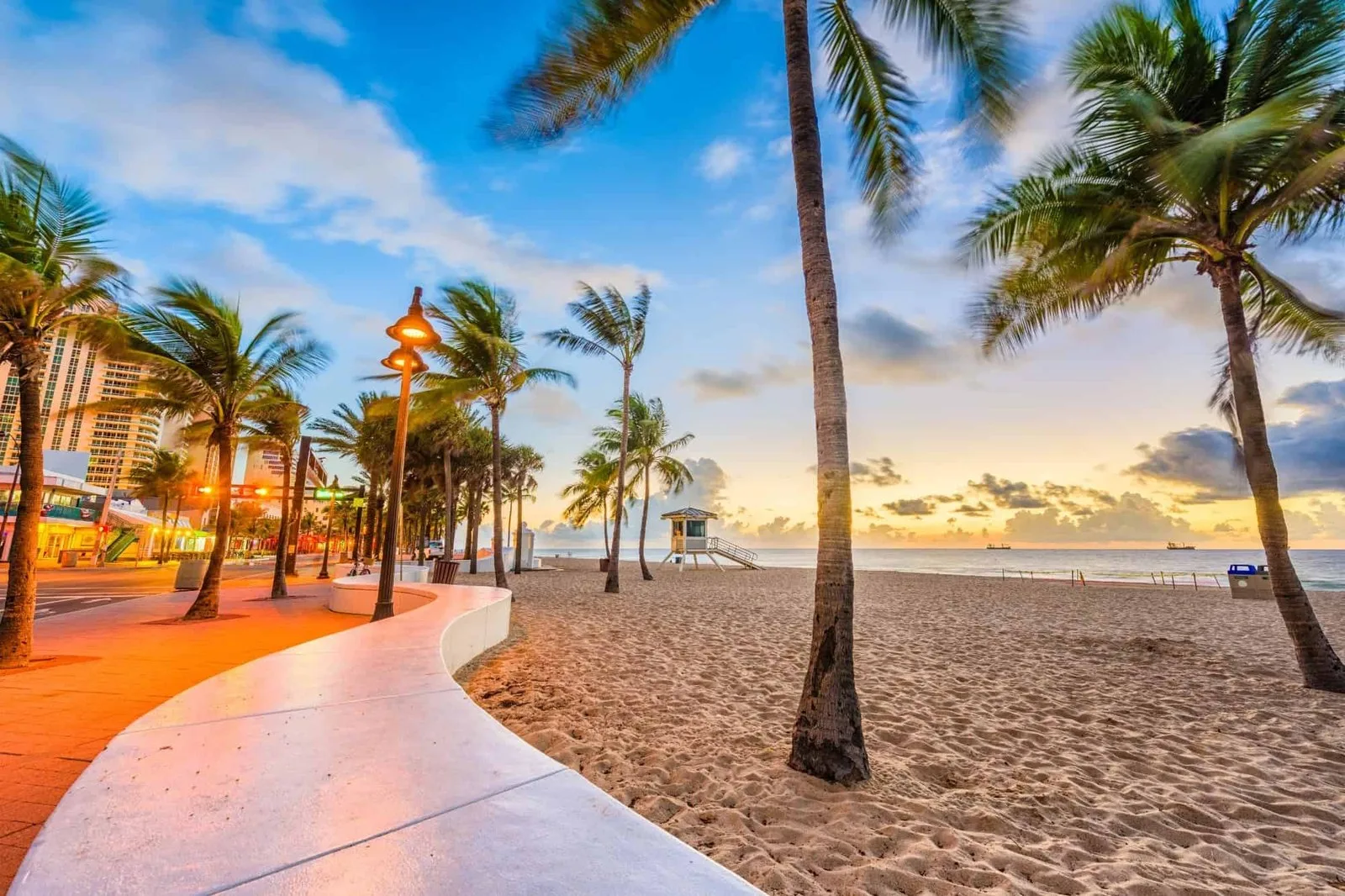
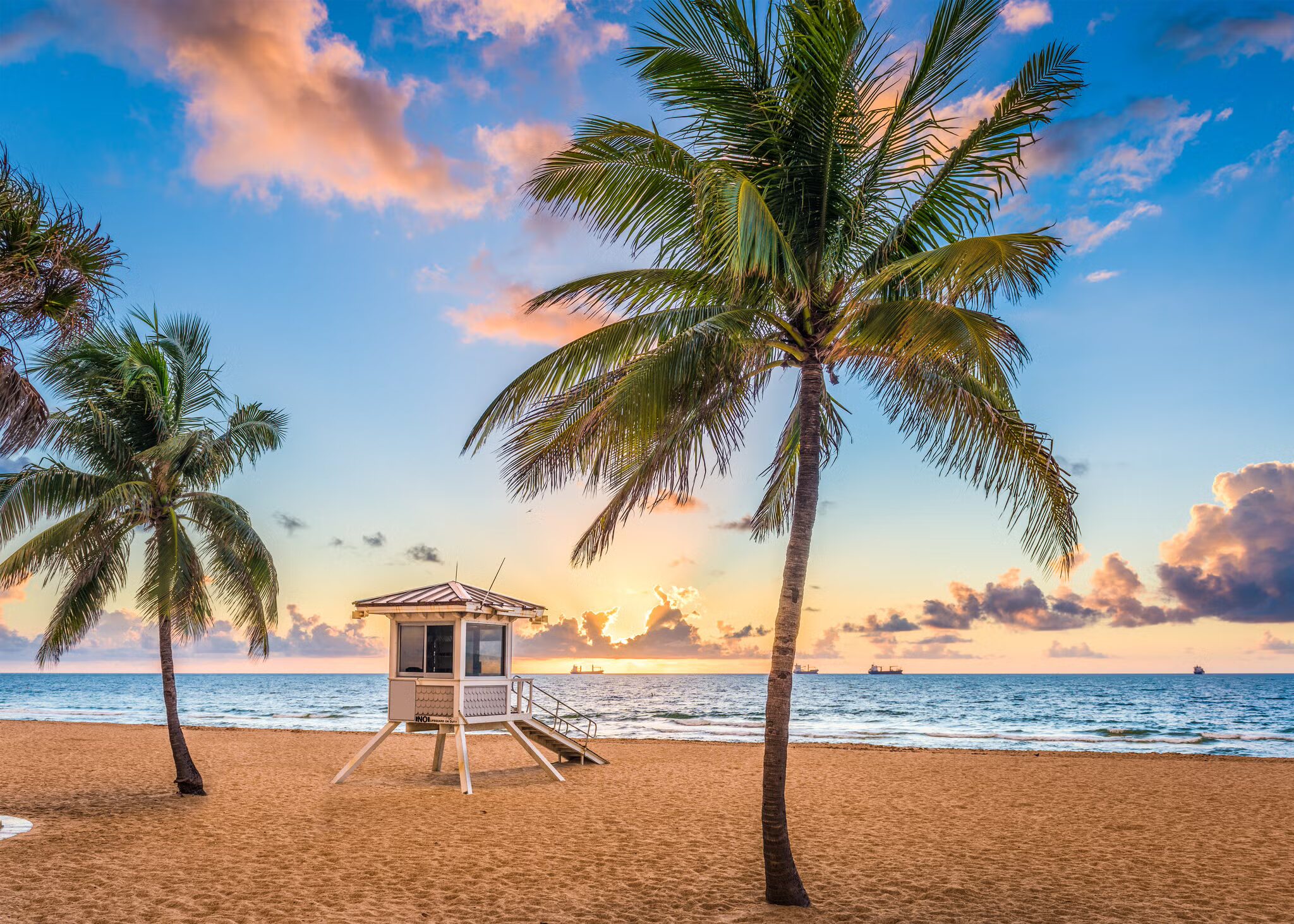
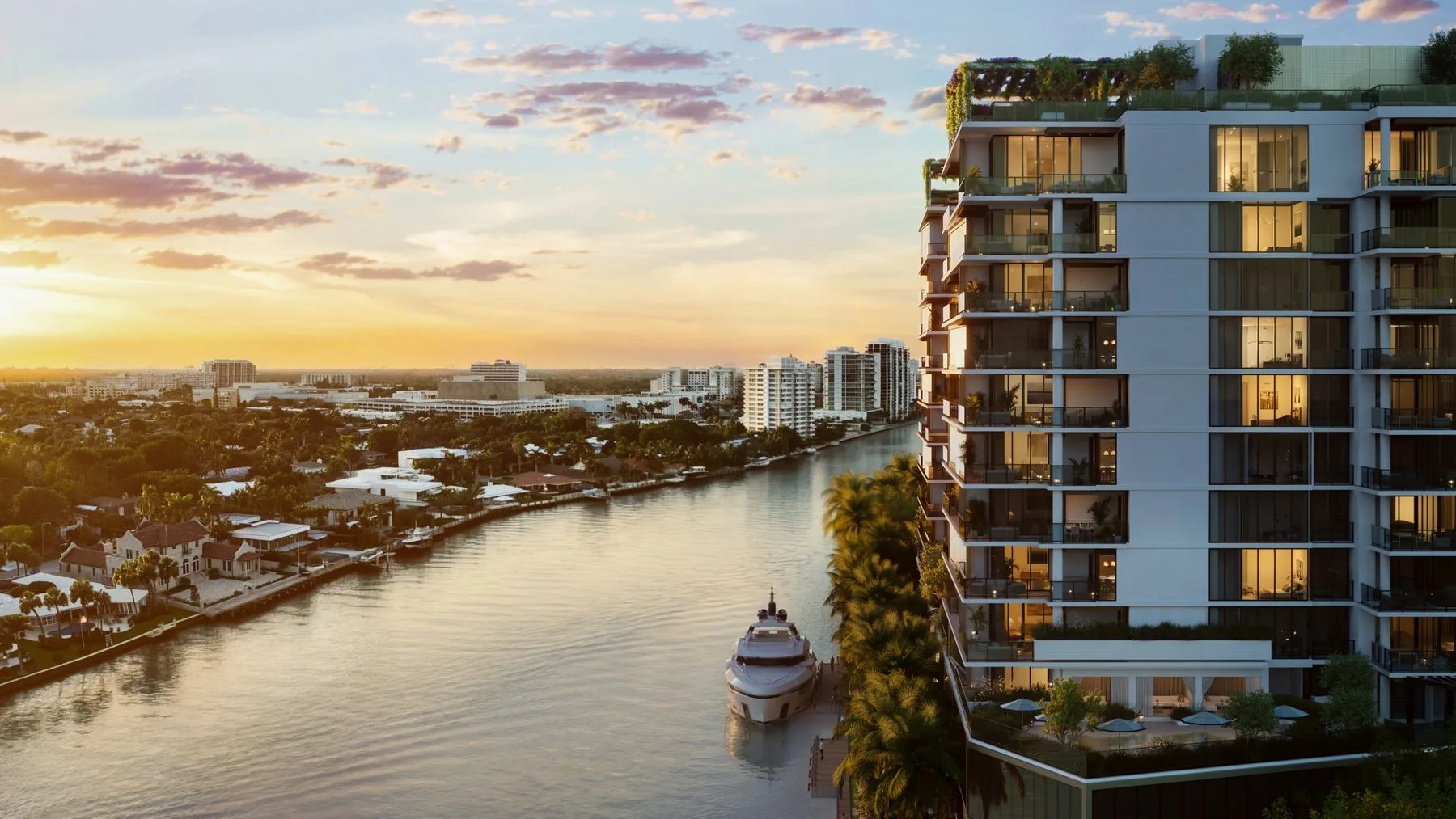
Golden Hour on Fort Lauderdale Beach
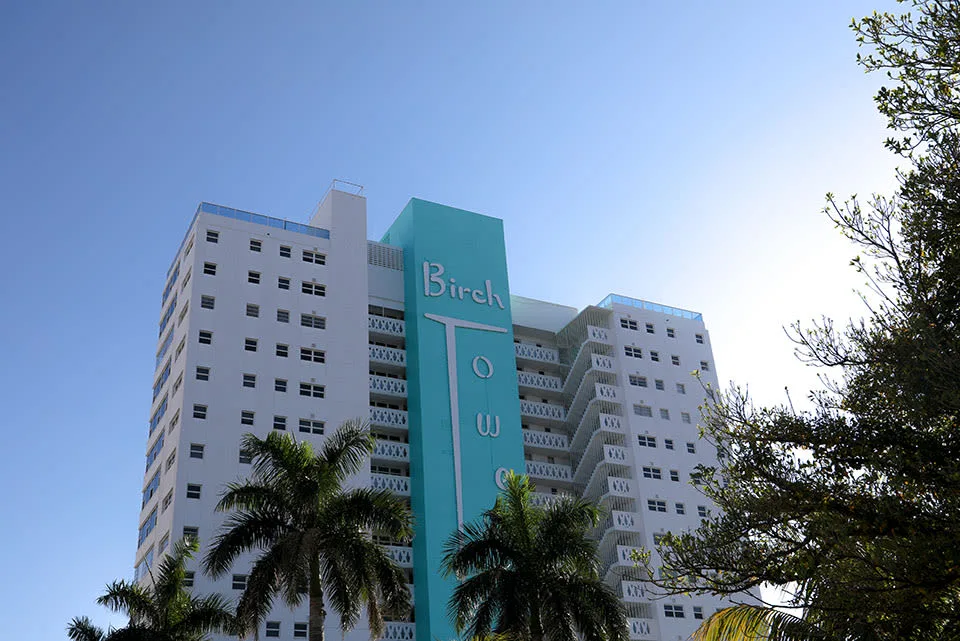
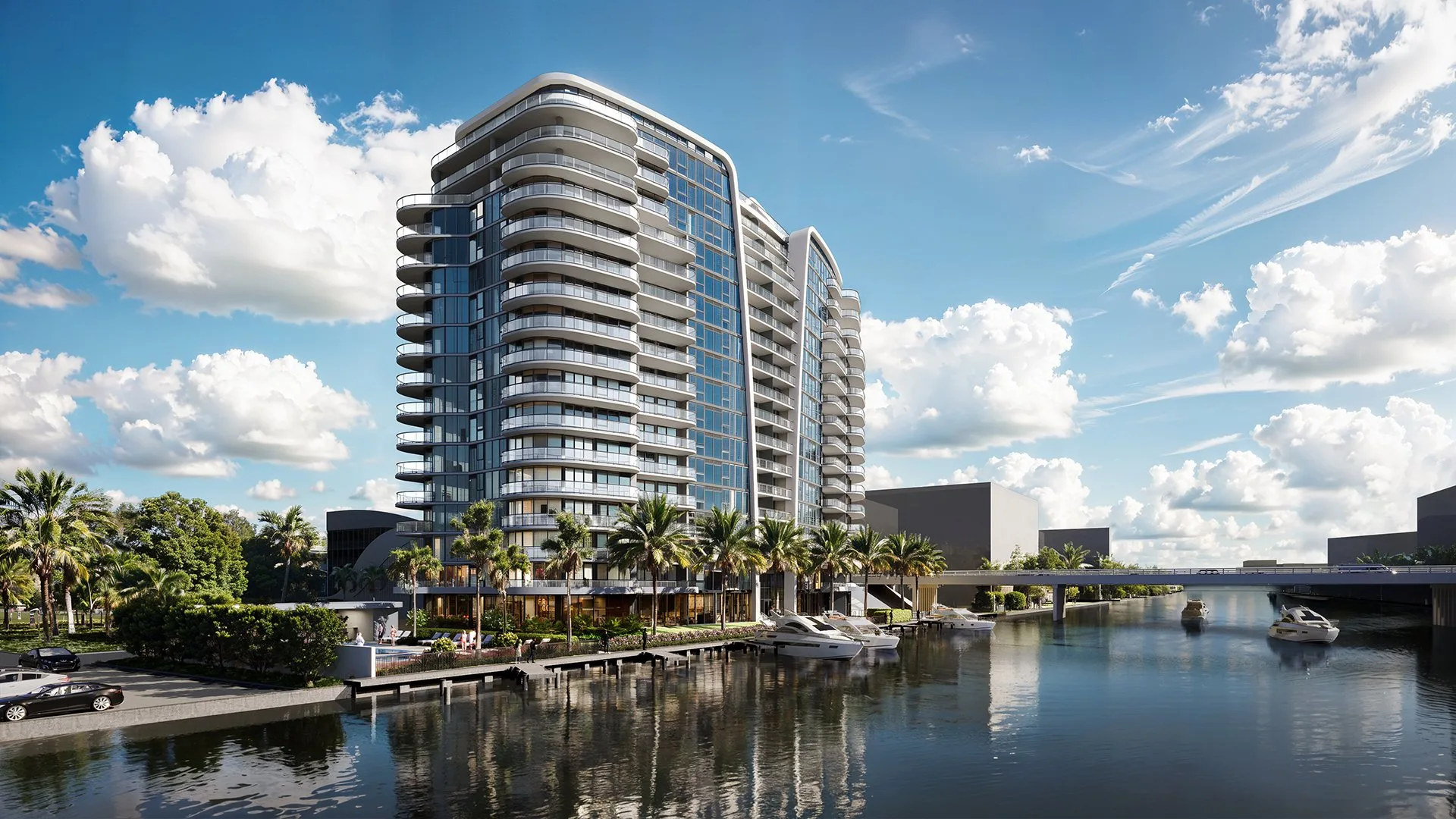
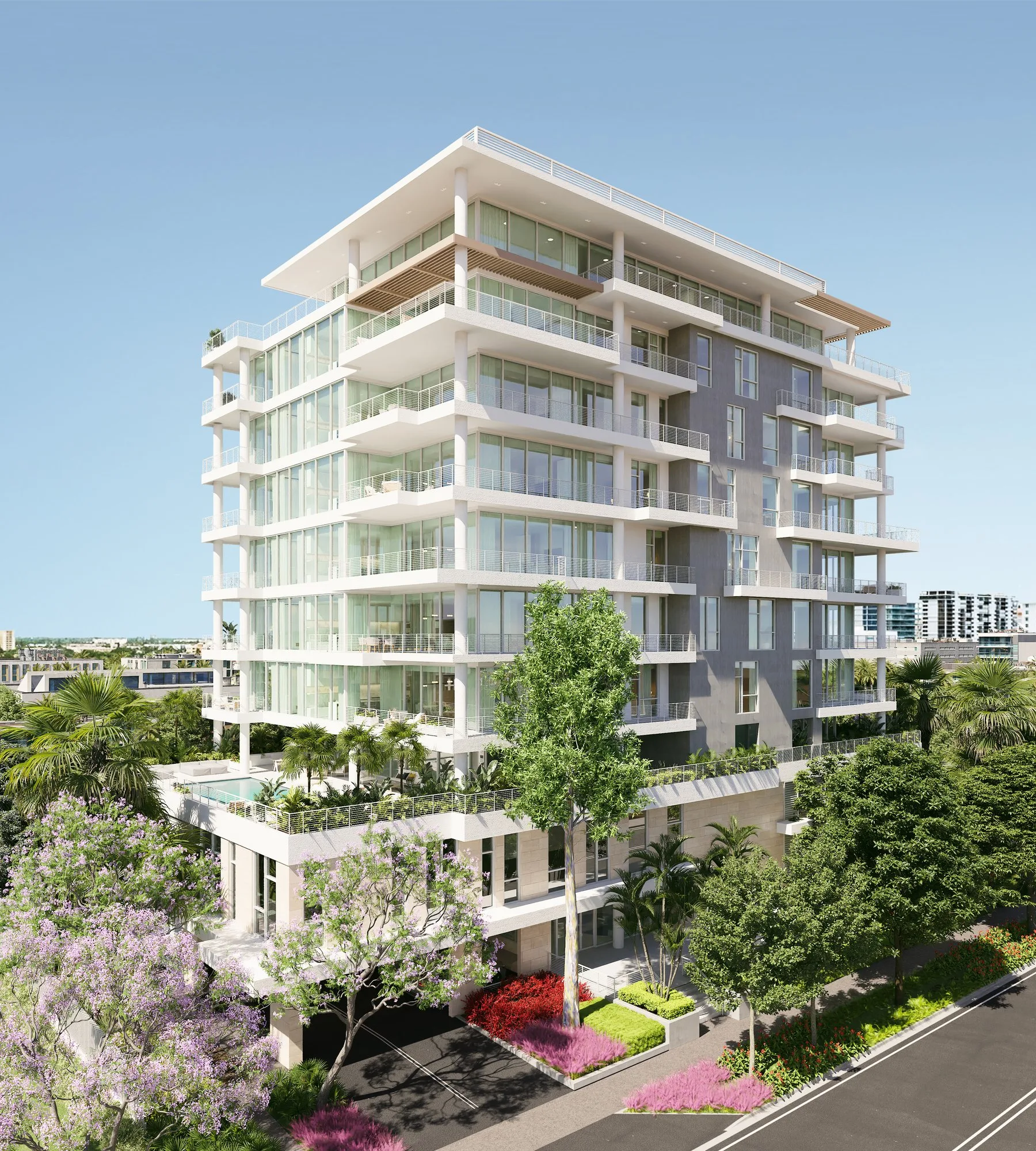
Central Beach — Luxury Residences Along the Coast
The experiences and qualities unique to this stretch of coast
A 180-acre coastal hammock state park directly on A1A — a rare state park embedded in an urban Florida beachfront. Kayak the mile-long freshwater lagoon, ride the paved loop under live-oak canopy, or cross A1A to a quieter stretch of shoreline that most visitors never find. This is the Beach neighborhood's secret weapon.
Fort Lauderdale's signature oceanfront promenade — a beautifully landscaped, palm-lined walkway running roughly two miles beside the iconic white wave wall. Joggers, cyclists, and evening strollers share this car-free path. It is the pedestrian spine of the neighborhood, and it sets the tone for beachfront living here.
The Beach neighborhood sits at the confluence of the Intracoastal Waterway and Port Everglades, in a city known as the Yachting Capital of the World with roughly 100 marinas and 50,000 registered yachts. Pier Sixty-Six and Bahia Mar are both in this neighborhood. Yacht culture isn't a lifestyle add-on here; it's the defining characteristic.
Paddleboard rentals, kiteboarding instruction, jet ski tours, parasailing, and deep-sea fishing charters — all operating daily from this stretch of beach. The steady onshore breeze and easy beach entry make this stretch a natural base for anyone who wants to be on the water most days of the year.
From the reimagined Pier Sixty-Six resort to Takato at the Conrad and S3 Sun Surf Sand at the Hilton on the promenade, this neighborhood's dining scene operates at resort caliber. International hotel brands including the Ritz-Carlton, W, Conrad, and Four Seasons all operate on this stretch — a concentration of hospitality brands found nowhere else in Fort Lauderdale.
East-facing oceanfront residences catch sunrise over the Atlantic; west-facing terraces frame sunset over the Intracoastal. This narrow barrier island geography means the entire neighborhood lives between two waterfronts — a dual-water orientation that inland neighborhoods simply cannot offer.
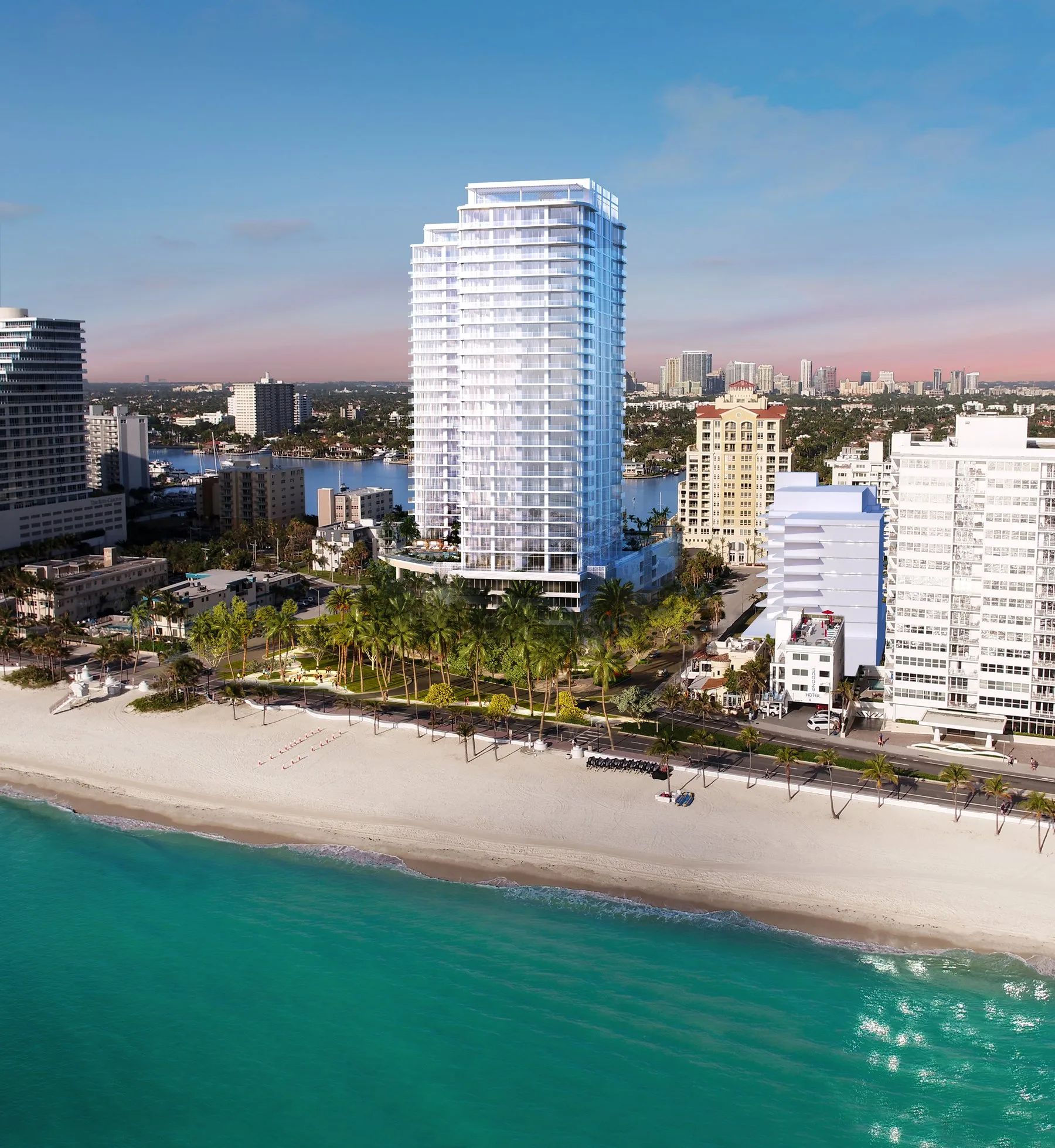
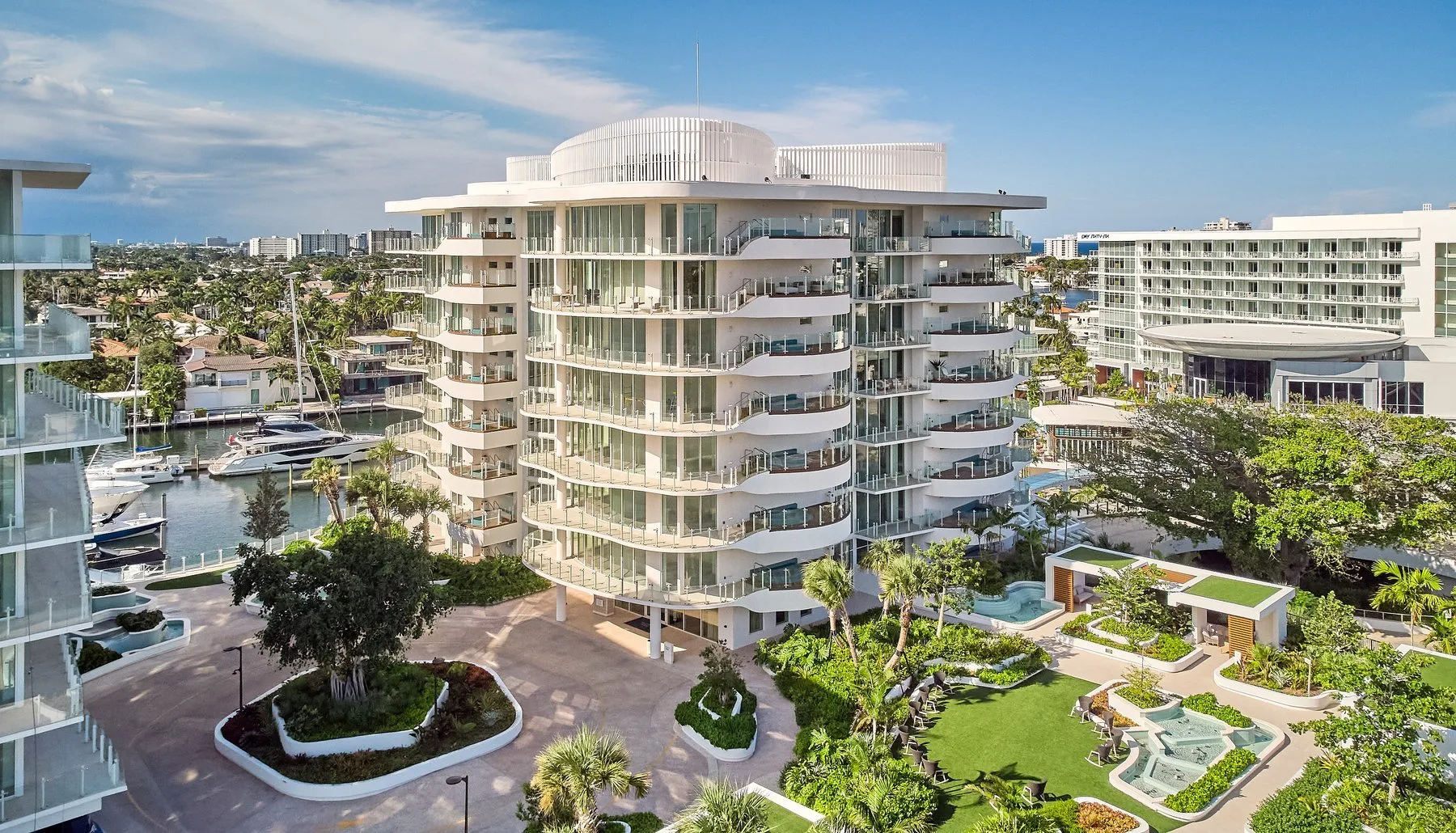
New luxury residences in Fort Lauderdale Beach. Looking at a building or a resale here that isn't listed? Ask us — we source any property in Fort Lauderdale Beach.
Information is provided by developers, sales teams and public sources and is believed to be accurate. It can change from time to time and should be verified before relying on it. How we verify.
Let's discuss which oceanfront community aligns with your lifestyle and investment timeline.
Schedule a TourEXPLORE MORE NEIGHBORHOODS
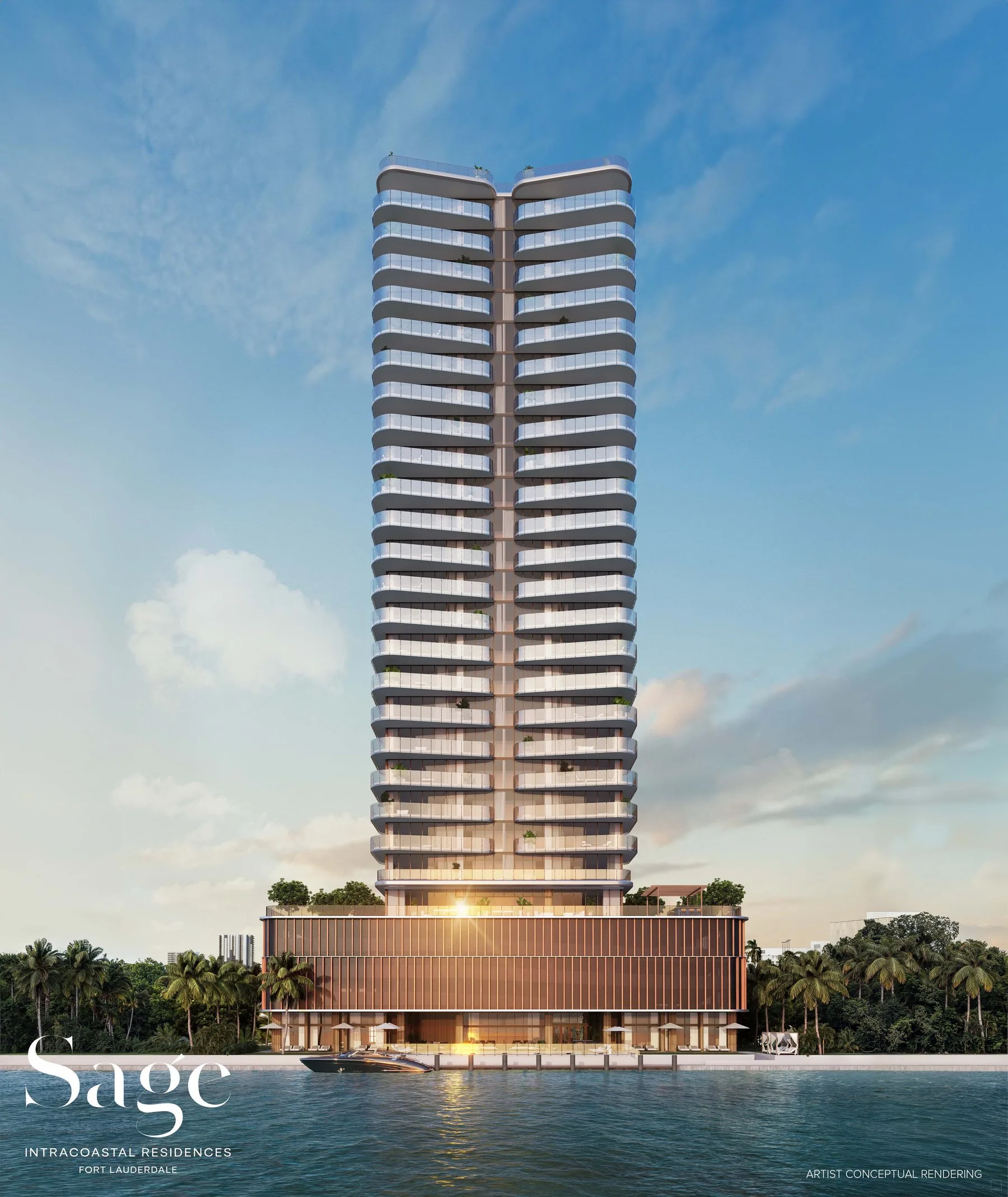
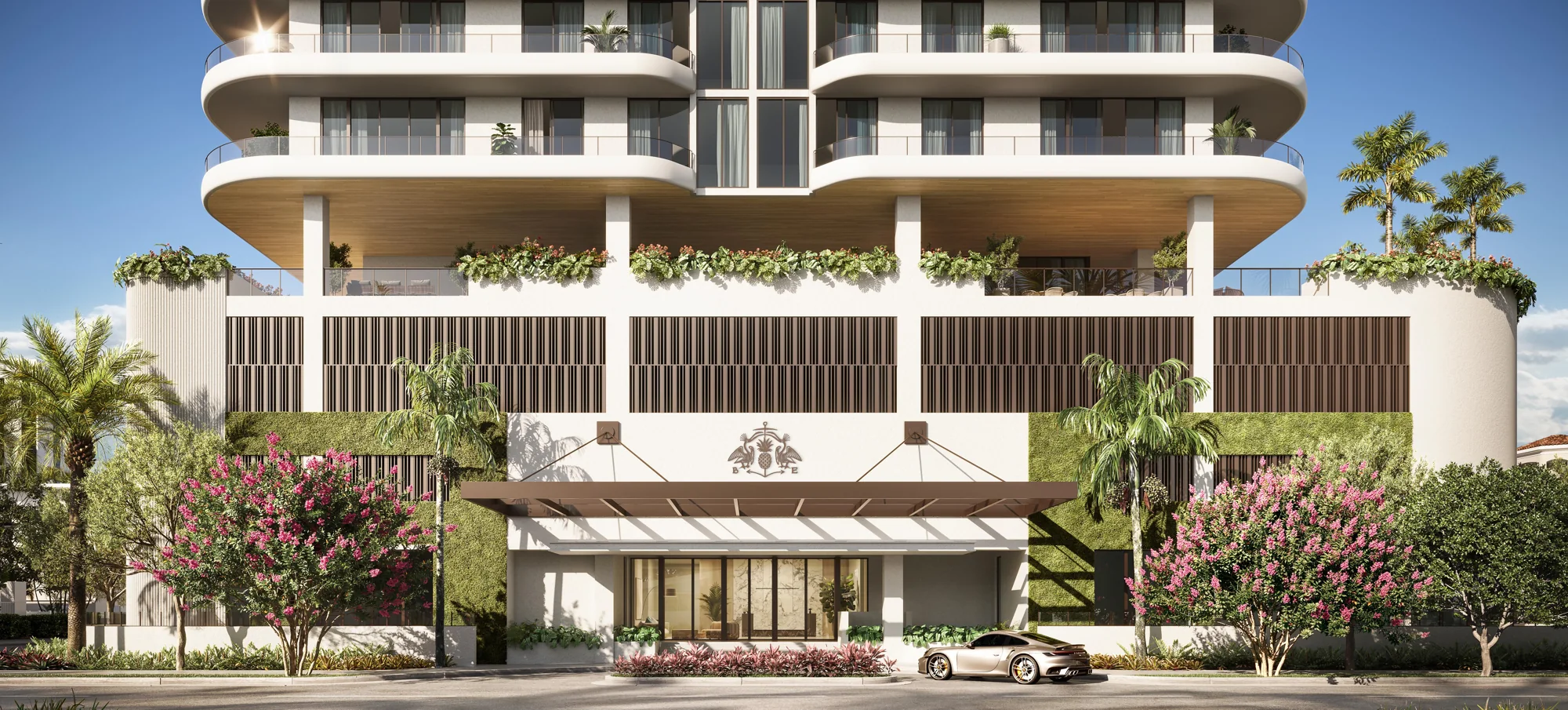
Fort Lauderdale Beach and its Intracoastal have ten new luxury developments we follow: Selene Oceanfront Residences, Pier Sixty-Six Residences, The Ritz-Carlton Residences Fort Lauderdale Beach, St. Regis Residences Bahia Mar, The Amalfi, 3000 Waterside, The Terraces, Riva Residenze, Sage Intracoastal Residences, and Bungalow East. They range from boutique buildings to branded resort residences, with pricing from under $1M to $6M+.
Fort Lauderdale Beach offers proximity to Las Olas dining and nightlife with an established luxury market. Pompano Beach provides a lower-density beachfront, a rebuilt pier district, and a newer wave of branded towers such as Waldorf Astoria and Ritz-Carlton. Both offer direct oceanfront living with resort-caliber amenities.
Yes. If your home is in another city, state or country, we place it with an experienced Compass colleague in that market — agents in every major U.S. market, and Christie's International Real Estate and Barnes International partners abroad — and coordinate the timing with your purchase here. Ray selects the referral personally and stays involved on both sides.